
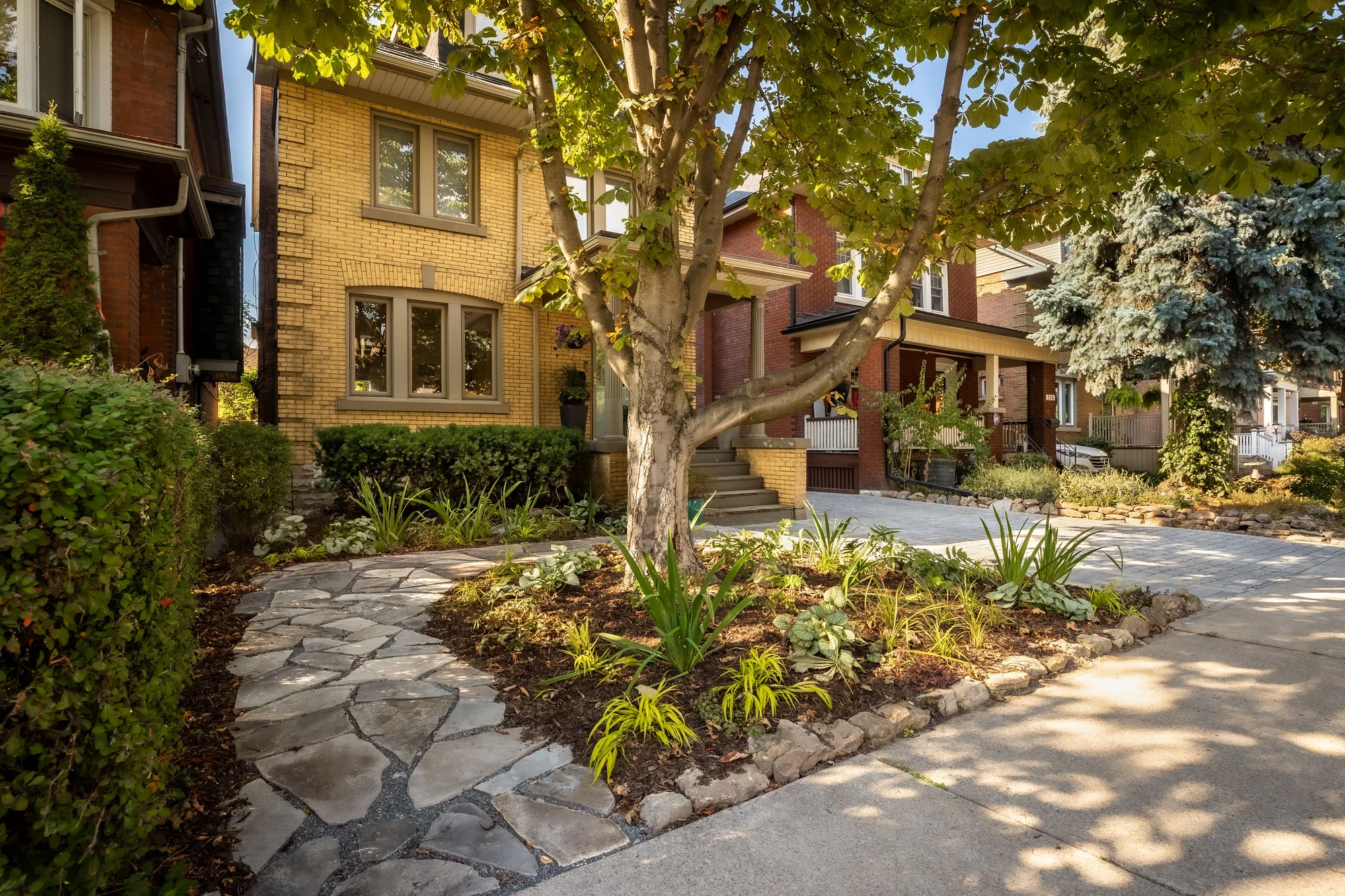
Permeable Solutions
Permeable Paver Installation
Carefully finished driveways, entrances and outdoor spaces, with a system beneath the surface designed to help manage rainwater.
Part of the Whole Landscape
Beautiful Surfaces. Thoughtful Water Management.
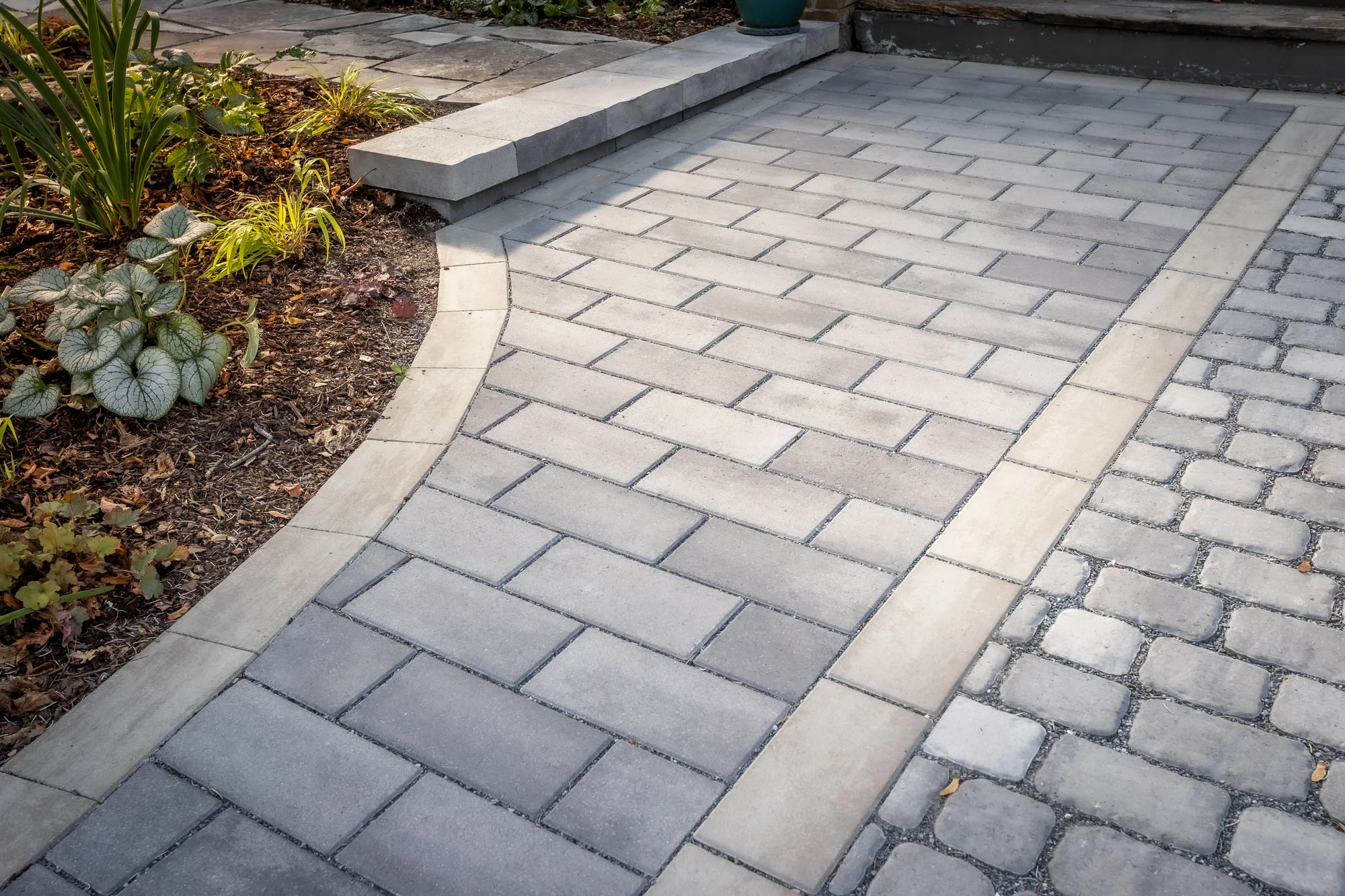
A driveway, front entrance or patio should feel at home in the landscape and work with the ground around it. Conventional paving generally carries runoff across the surface. Permeable interlocking concrete pavers allow water through purpose-designed, stone-filled joints into an open-graded aggregate system below.
We bring the appearance, use and construction of the space into one conversation. Soil, grades, building relationships and the route water takes beyond the paving help determine the right approach for each property.
Shape the Space
Where Permeable Paving Can Belong
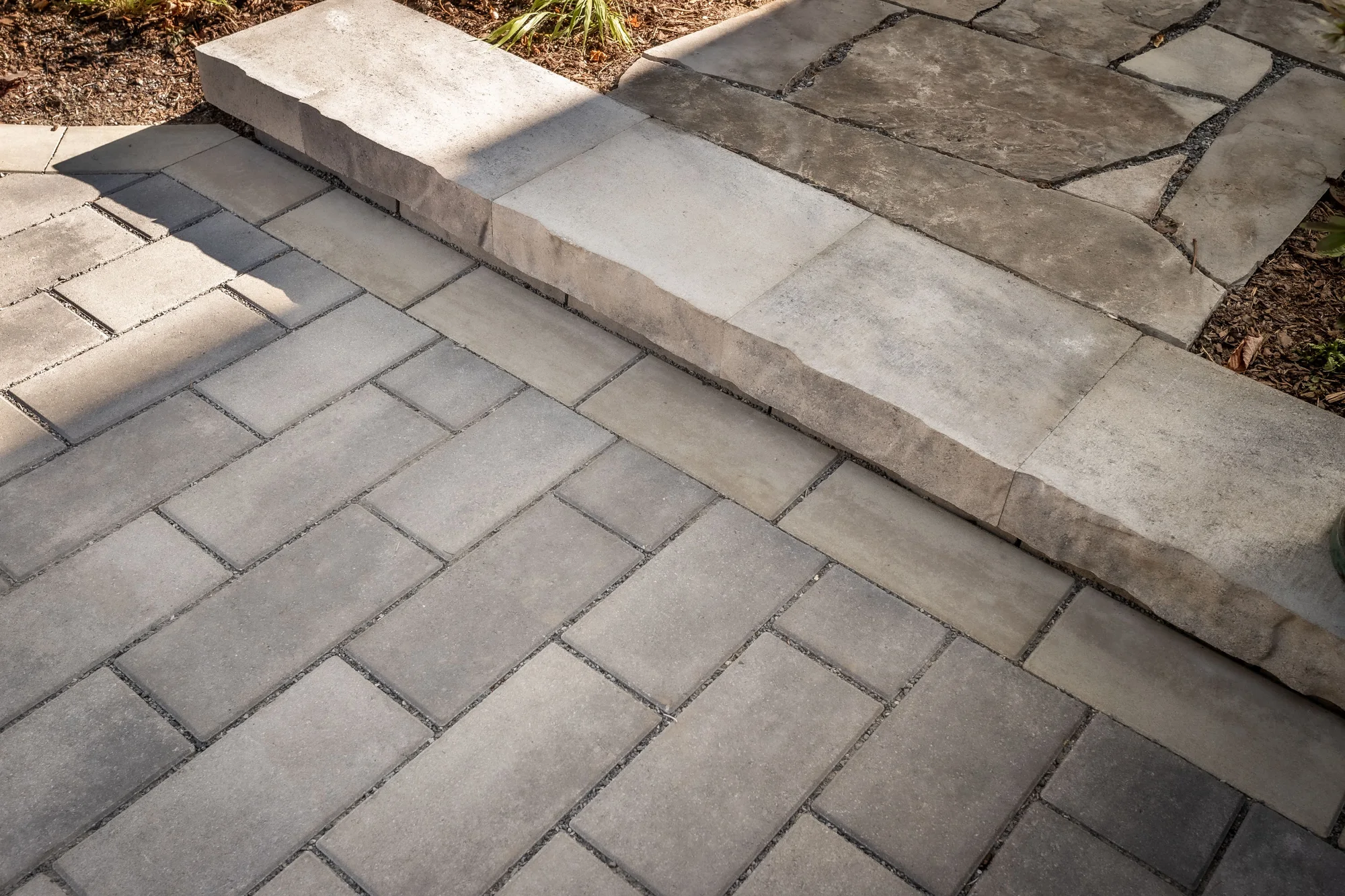
Explore six applications, from a considered arrival to a connected outdoor room. The photographs illustrate landscape design possibilities; the permeable system is planned separately for each site.
Feature 1 of 6
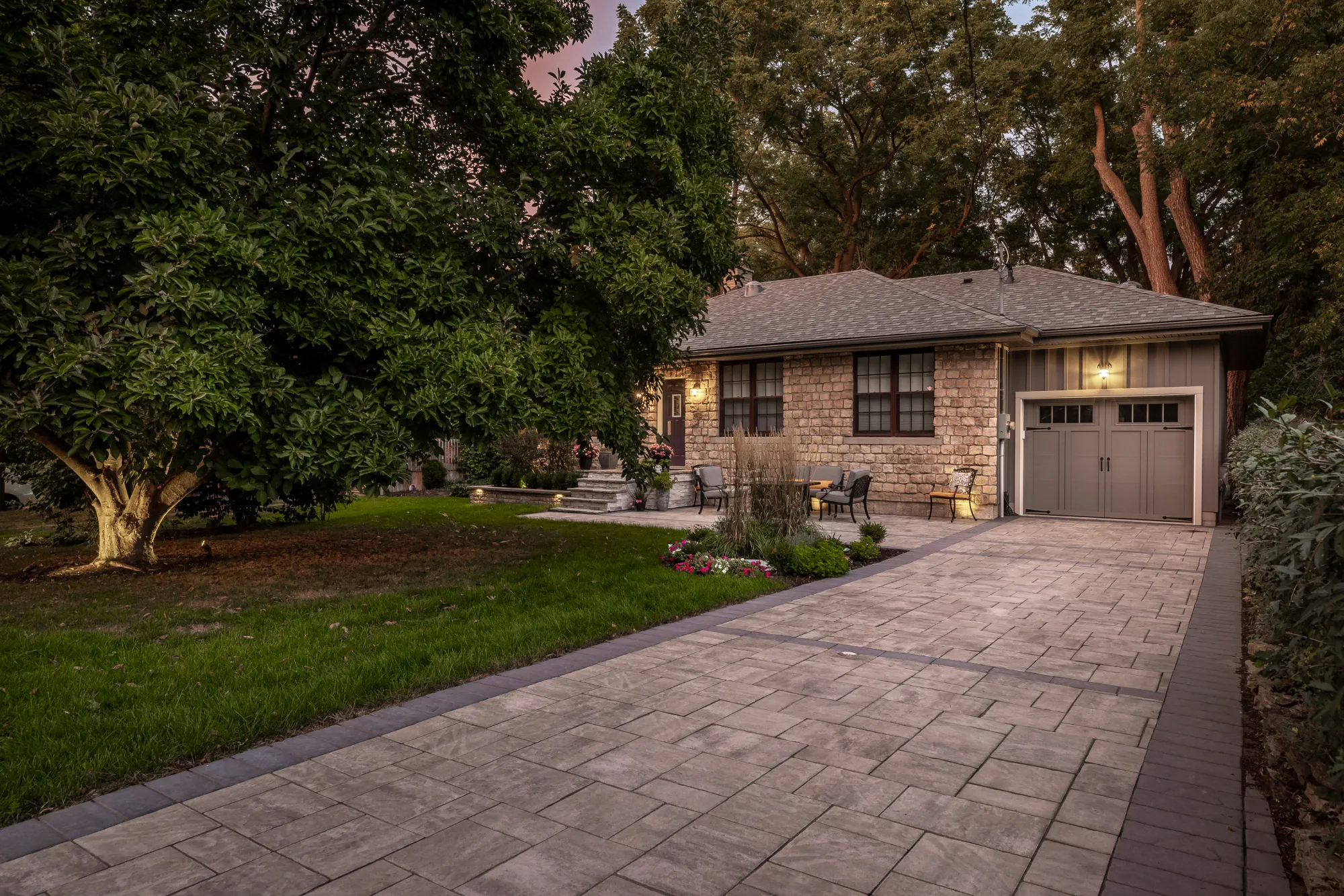
Permeable Driveways
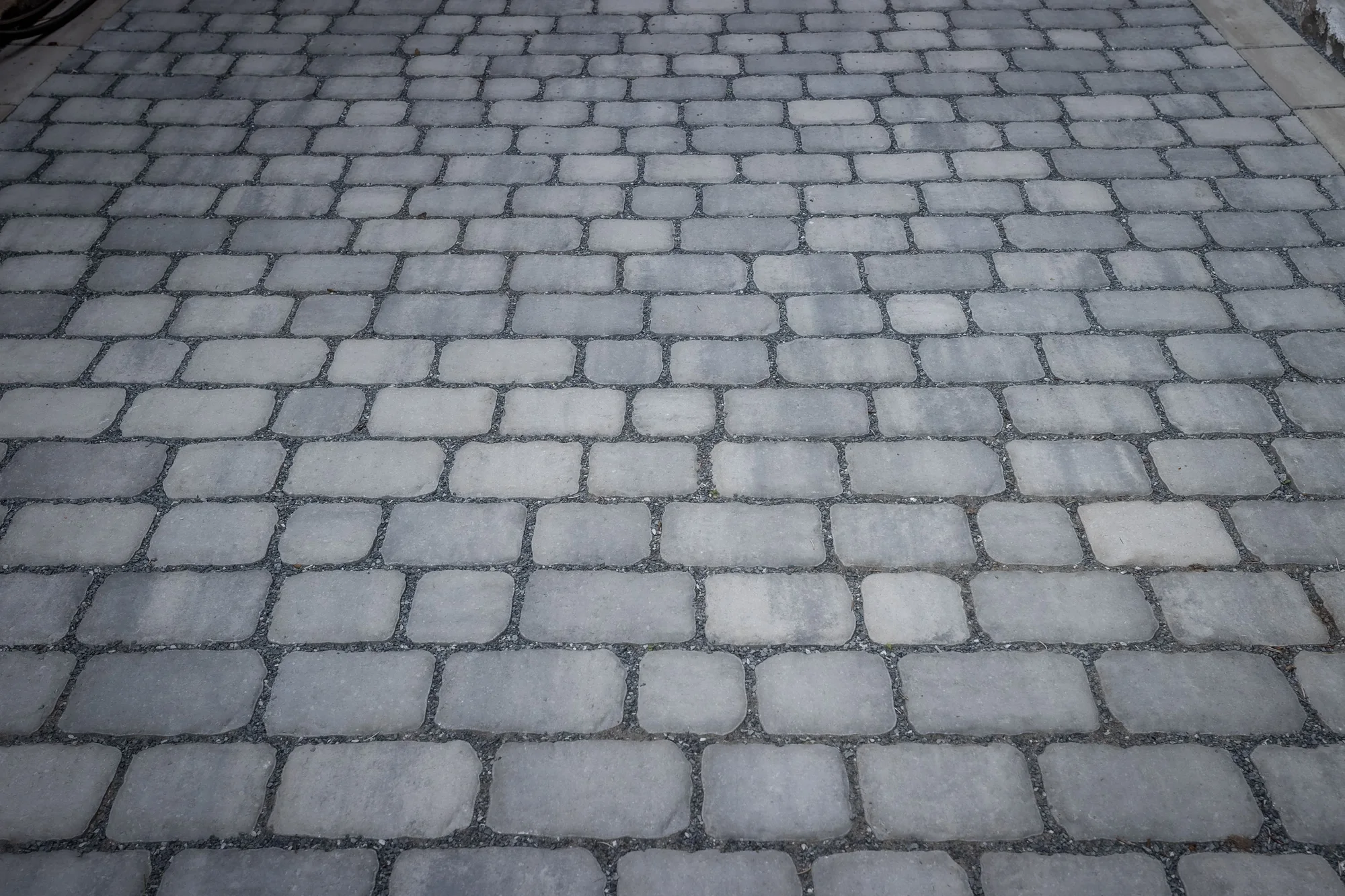
A driveway can bring the entrance together while making room for water below the surface. Permeable paving needs a coordinated structural and drainage design, with the pavers, edge restraints and stone base selected for the vehicles that will use it.
Considerations
- Vehicle loads and turning areas
- A suitable base and drainage strategy
- An entrance that complements the home
Feature 2 of 6
Front Entrances & Walkways
Paths connect the driveway, front door and gardens. Where a permeable system suits the site, the paving can carry the same considered palette through these spaces. We plan comfortable transitions, finished levels and water movement alongside the visible design.
Considerations
- Connections to doors and steps
- Planting, borders and material continuity
- Drainage near the house


Feature 3 of 6
Patios & Courtyards
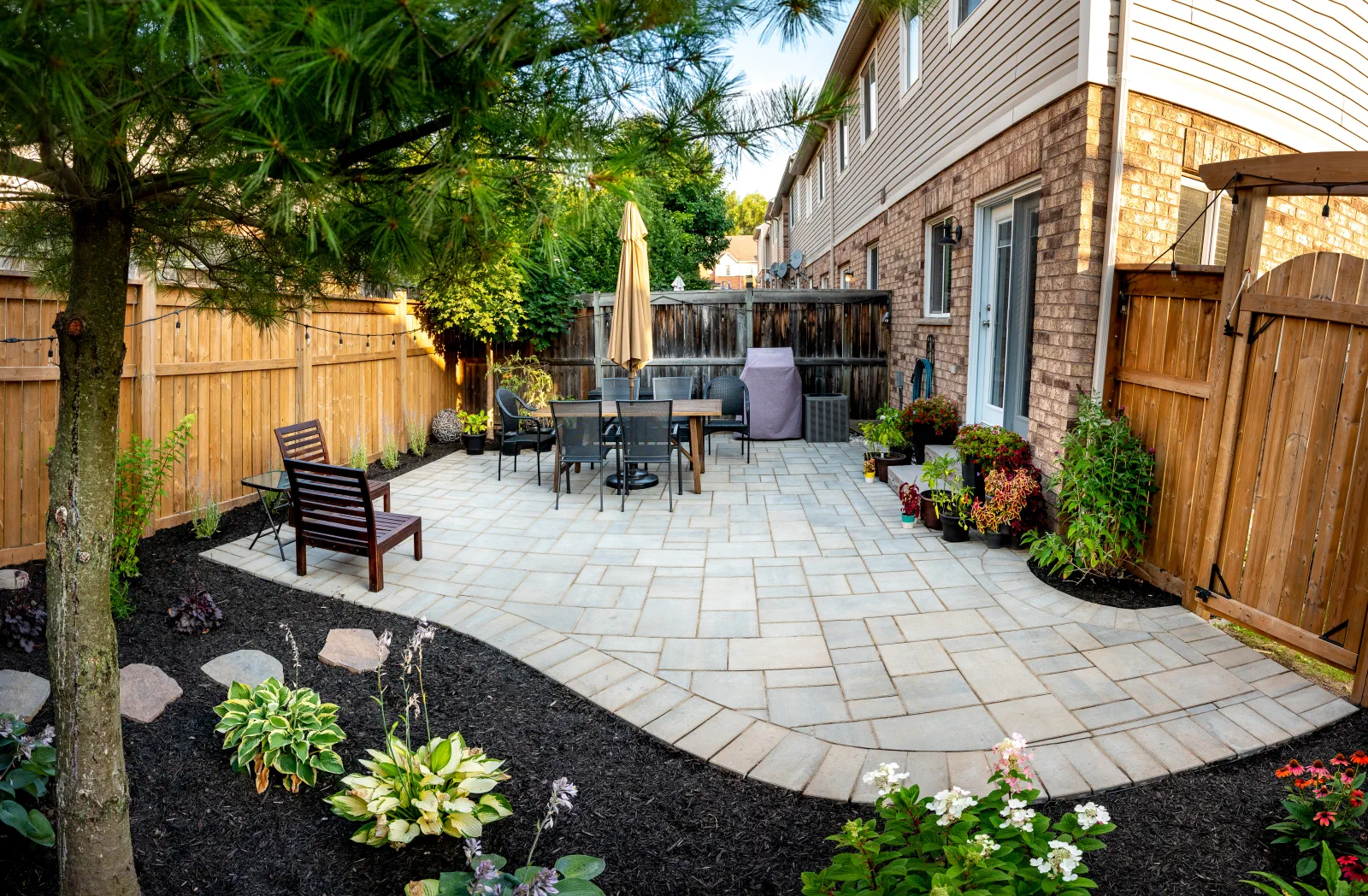
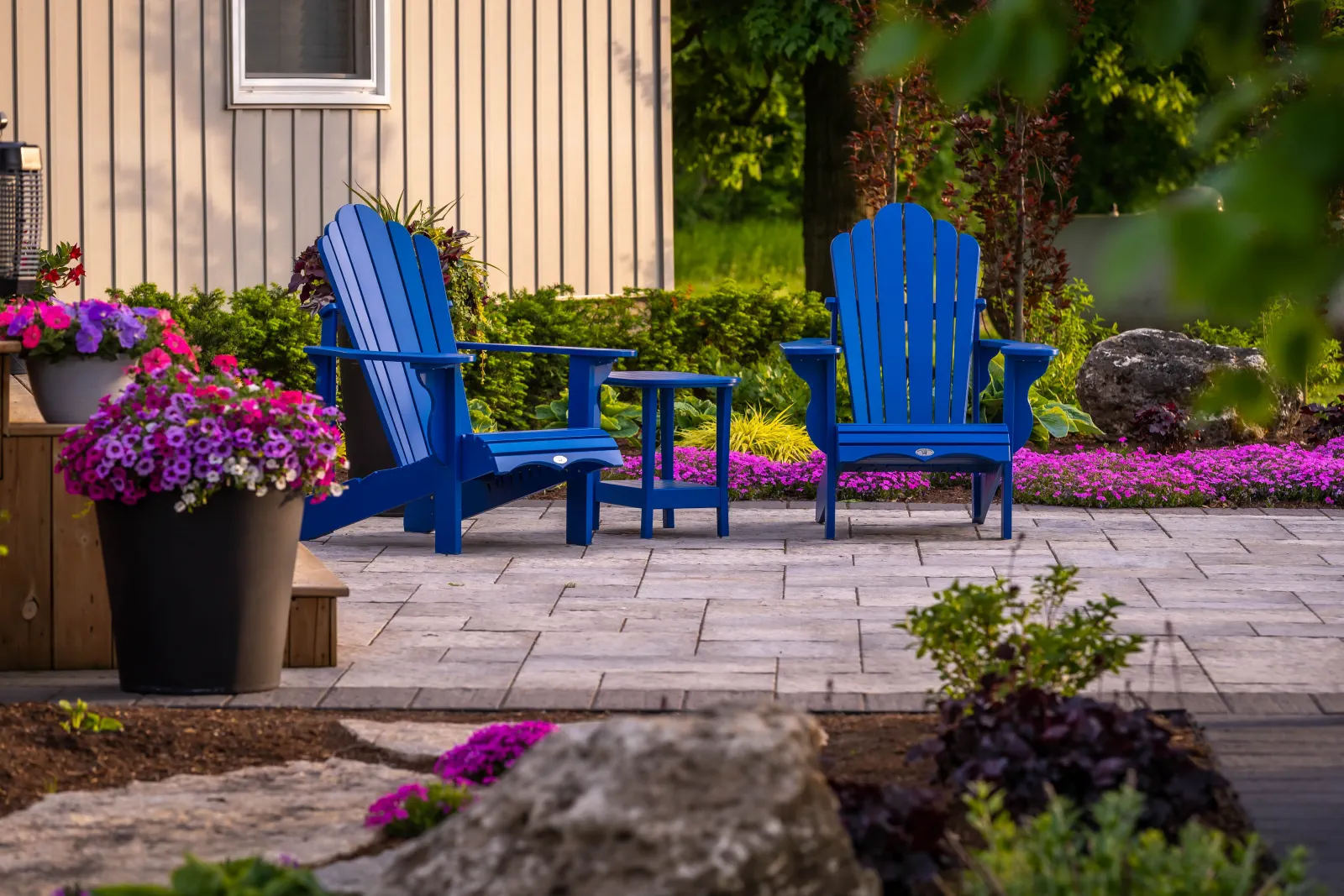
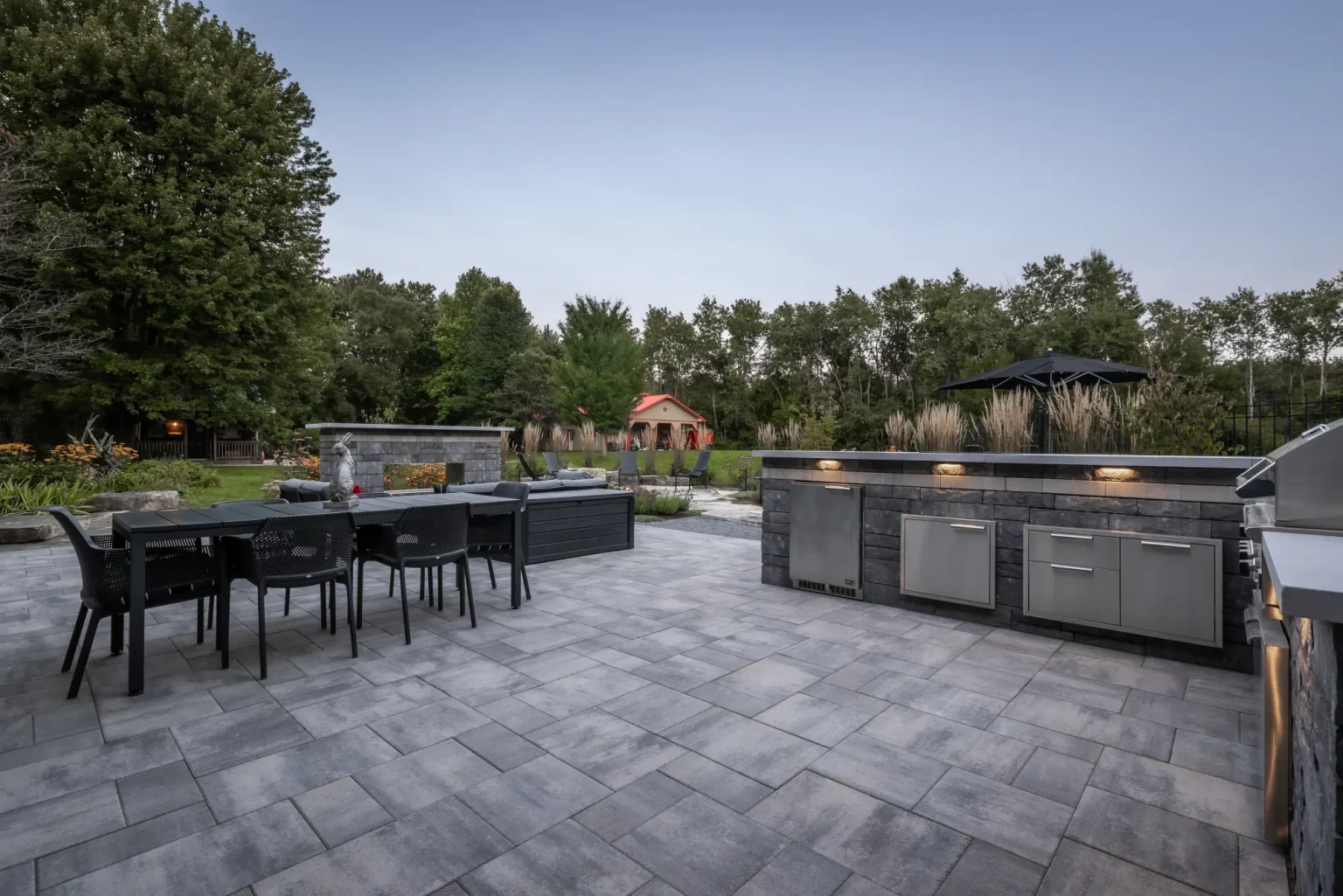
Outdoor dining and gathering spaces deserve the same attention beneath the paving as above it. A permeable patio may be appropriate where soil, grades and building relationships allow, with surface texture and joint design considered for everyday use.
Considerations
- Dining, seating and circulation
- Comfortable surfaces and joint selection
- Connections to the wider backyard

Feature 4 of 6
Integrated Drainage & Grading
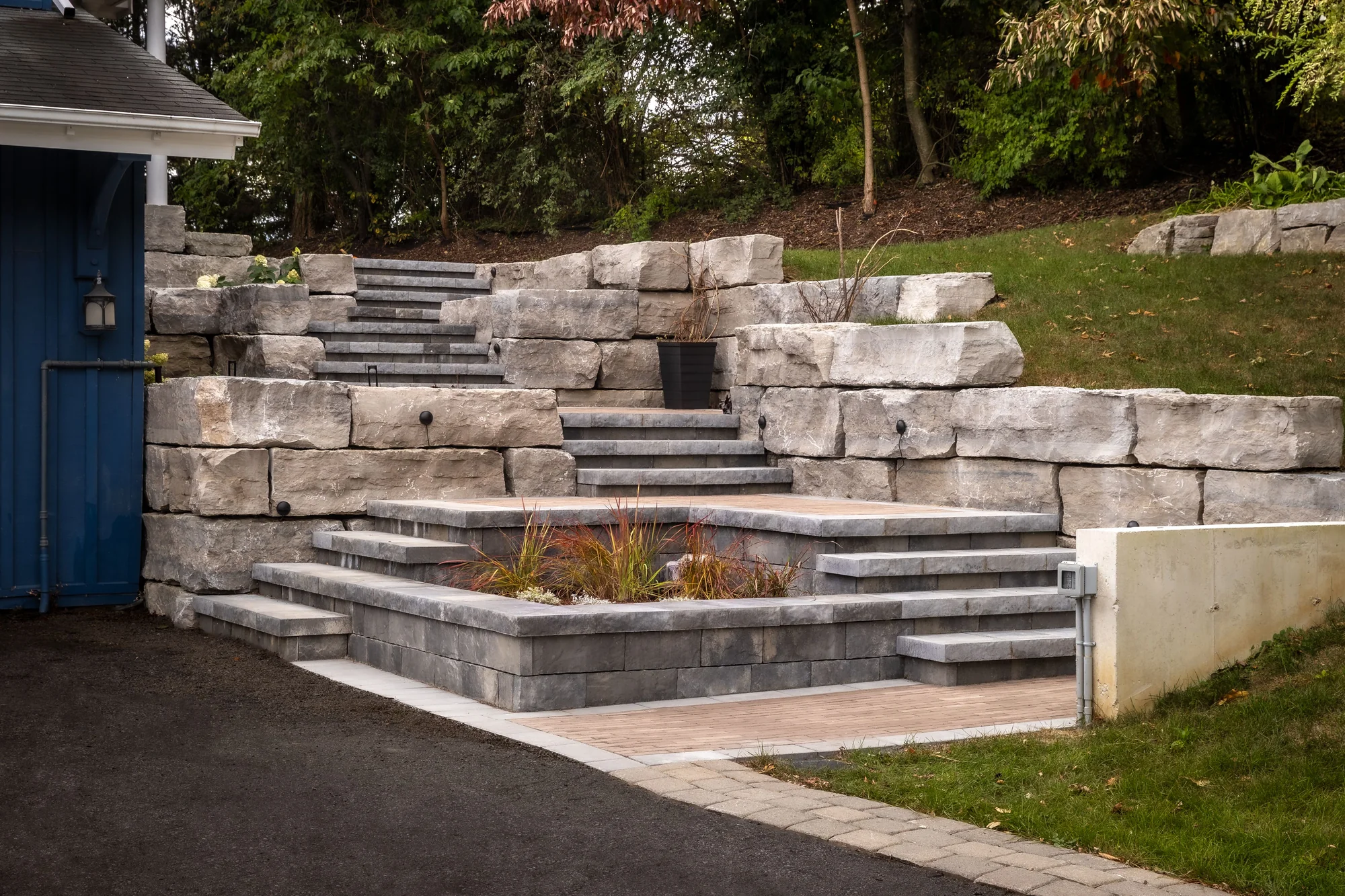
The destination of water matters as much as where it enters the paving. We consider existing grades, downspouts, foundations and neighbouring ground together, planning an appropriate outlet and safe overflow rather than relying on the surface alone.
Considerations
- Existing flow paths and low points
- Building setbacks and ground conditions
- Overflow during larger storms
Feature 5 of 6
Materials, Patterns & Finishes
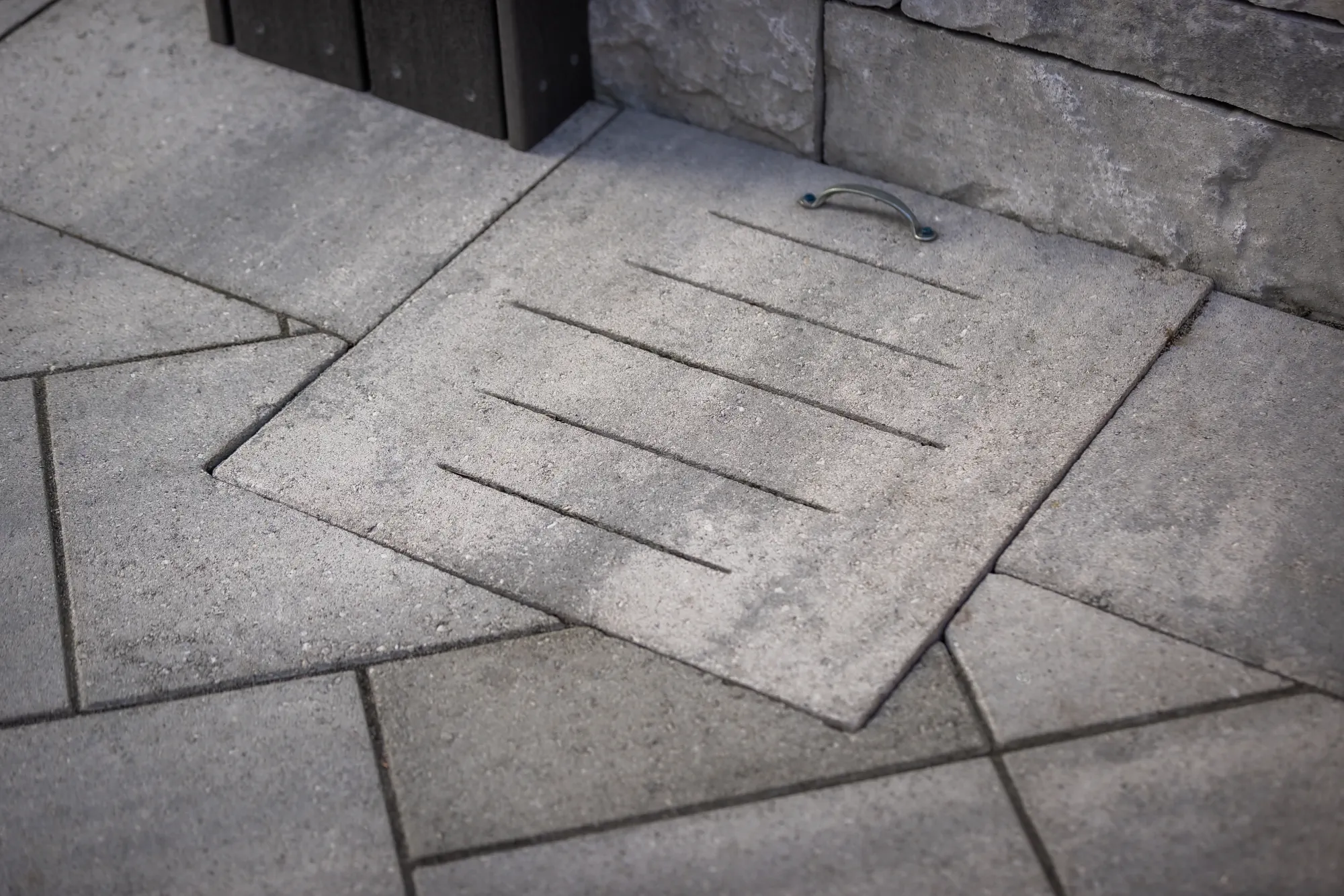
Texture, colour, borders and laying patterns give paving its architectural character. Permeability is a separate system requirement: the selected units, joint aggregate and underlying layers must work together. A familiar appearance does not establish how a pavement drains.
Considerations
- Proportions that suit the architecture
- Purpose-designed joints and compatible materials
- Carefully resolved edges and transitions

Feature 6 of 6
Commercial & Shared Spaces
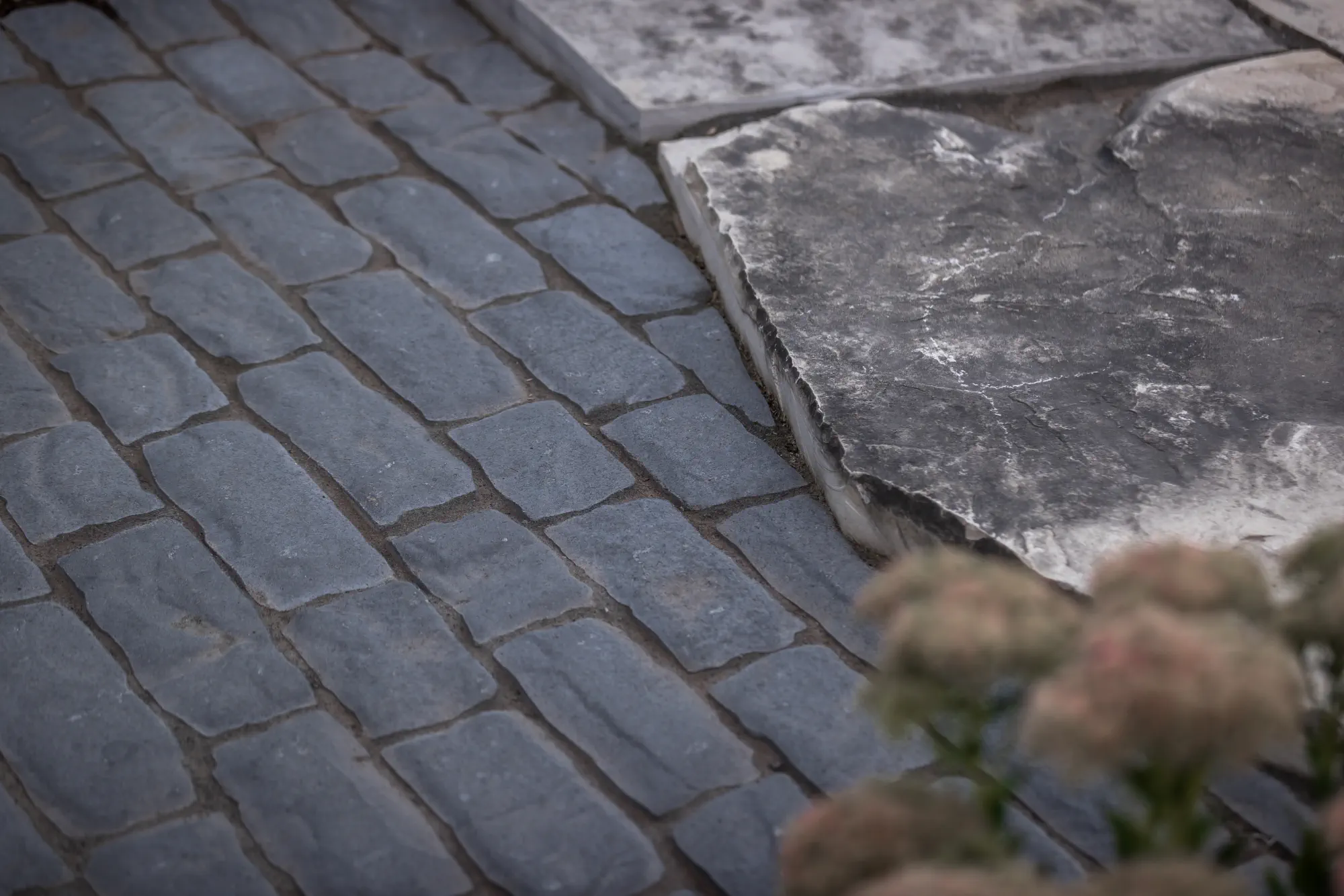
Commercial walkways, courtyards and selected parking areas may offer opportunities for permeable paving. Suitability depends on traffic, runoff quality, site requirements and maintenance access. These photographs illustrate commercial landscape settings, not permeable installations.
Considerations
- Pedestrian routes and intended vehicle loads
- Site-specific approvals and drainage planning
- Practical access for ongoing care



Explore the Applications
Select an application to explore.
Built with Purpose
What You Don't See Matters Most
The visible paving is only the beginning. Subgrade preparation, clean aggregates, compatible bedding and joint stone, and secure edge restraints all contribute to a dependable installation. The stone reservoir must support the intended loads while providing the drainage capacity the site needs.
Grading and safe overflow remain essential. An underdrain, liner or controlled outlet may be appropriate where infiltration is limited or unsuitable. These decisions belong to the site design, not a universal construction detail.
Explore Landscape Construction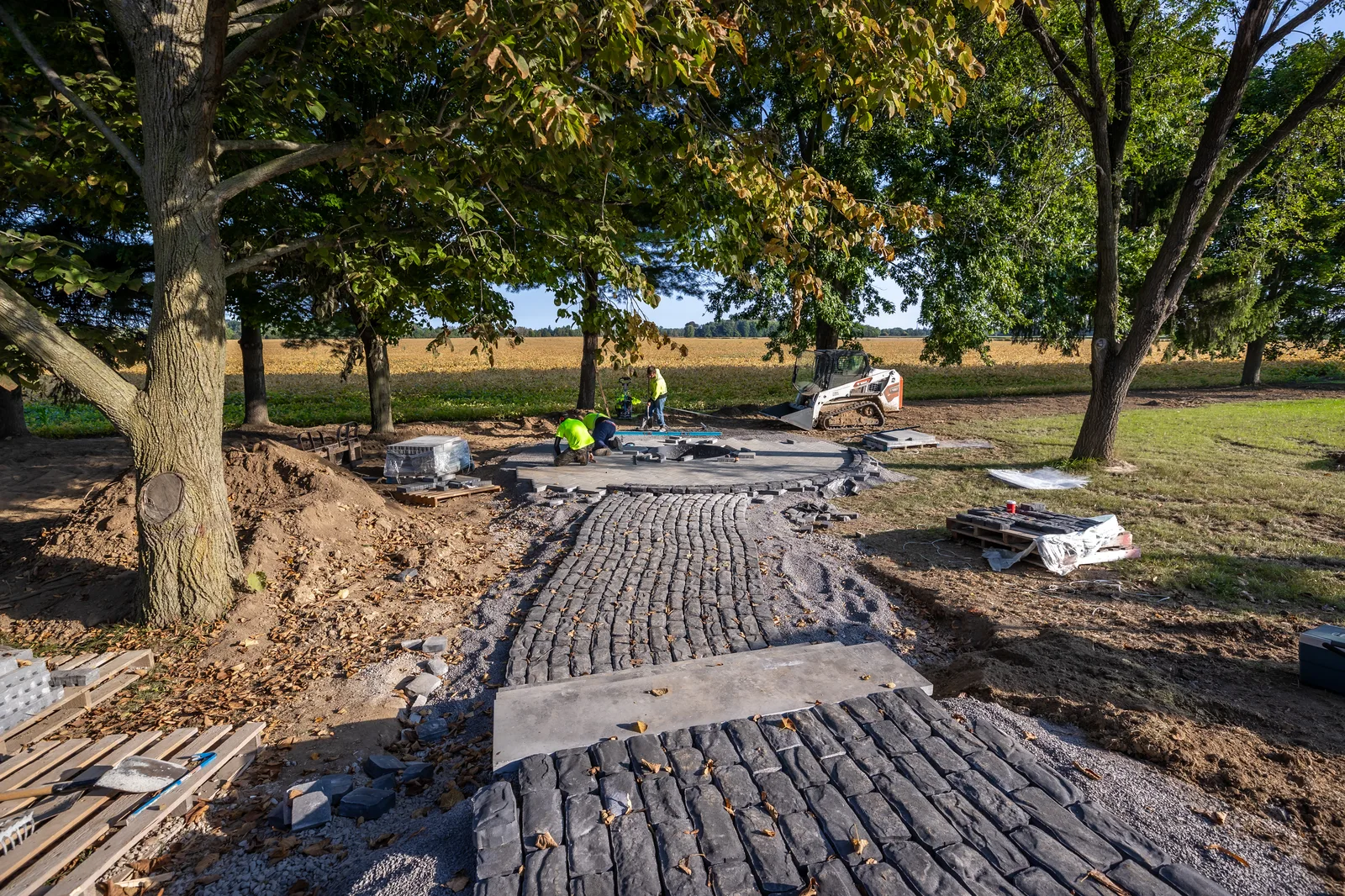
Site Preparation
Assess the subgrade, grades and intended loads before construction begins. Protect the prepared ground and keep sediment out of the materials that will carry and store water.

Base & Water Management
A permeable system needs clean, open-graded aggregate and a drainage strategy suited to the site. Infiltration, an underdrain or lined storage with a controlled outlet may be appropriate, alongside safe overflow.

Precision Installation
Resolve levels, edge restraints, bedding and stone-filled joints as one system. Careful placement and compatible materials support the finished paving, with ongoing sediment control protecting its performance.
A Considered Starting Point
Is Permeable Paving Right for Your Property?
The right recommendation starts with how the property works today. Permeable paving can help reduce runoff and surface ponding, but it cannot guarantee flood prevention or replace a complete drainage plan.
Follow the Water
Review existing drainage paths, low points, downspouts and overflow routes. Paving should work with the surrounding grades and landscape, keeping water away from vulnerable areas.
Understand the Ground
Soil infiltration, groundwater, bedrock, slope and nearby foundations shape the drainage strategy. Some properties suit infiltration; others need controlled drainage. Confirm applicable municipal permissions for the proposed work.
Plan for Everyday Use
Pedestrian routes and driveways place different demands on paving. Consider vehicle loads, access, surface comfort and construction sequencing alongside the material palette and the wider property improvement.
Protect Long-Term Performance
Keep sediment and mulch out of the joints, inspect drainage components and arrange appropriate cleaning. Use the specified joint stone, not standard polymeric sand. Ontario winter care should suit the system; ice can still form.
Articles & Guides
Planning & Inspiration
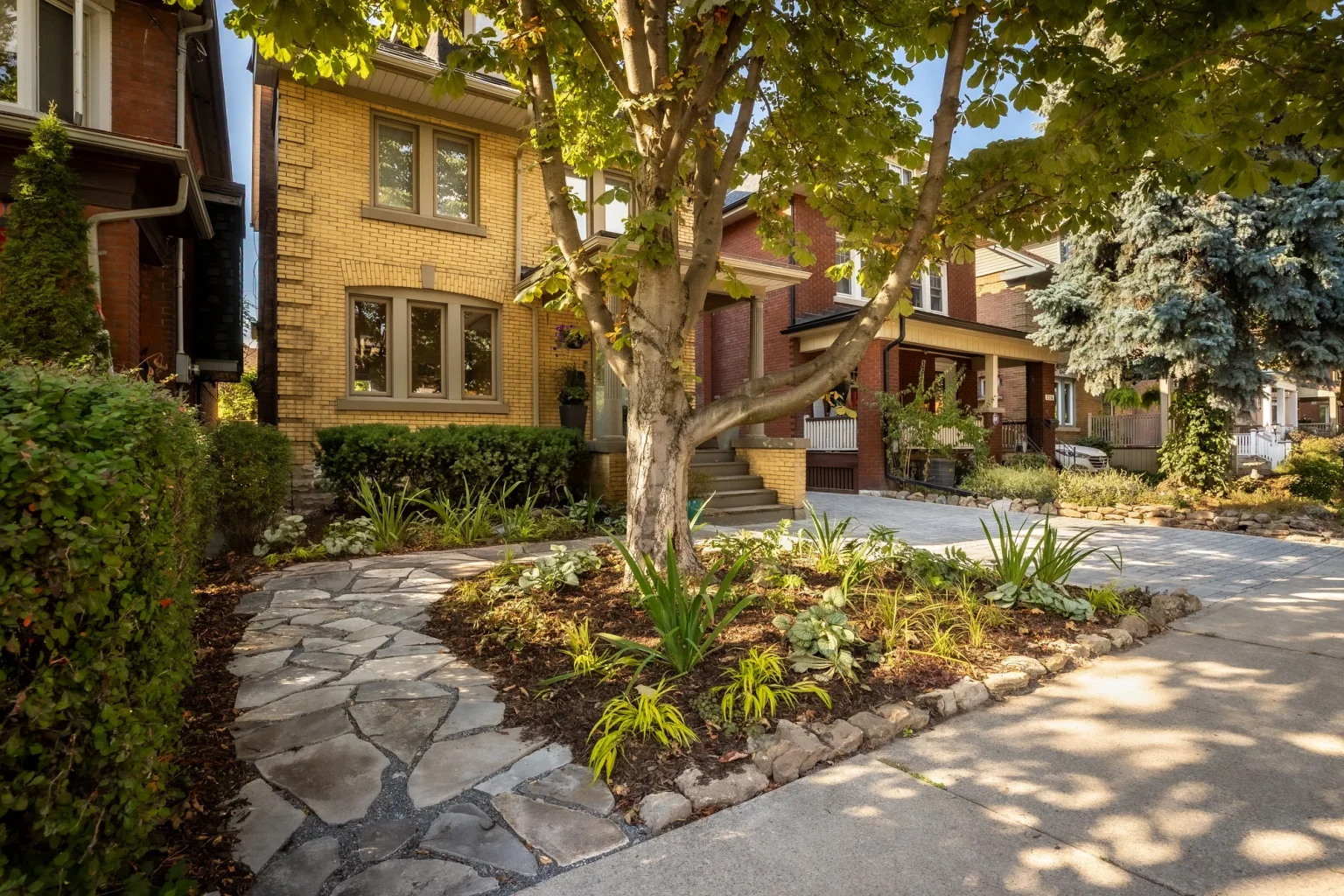
Explore entrance and landscape ideas, then read practical guidance on permeable paving, drainage and driveway materials.

Keep Planning
Related Articles
Close to Home
Permeable Paving Across Hamilton, Burlington & Surrounding Areas
Based in Dundas, Creative Concepts plans landscape improvements across Hamilton, Burlington, Oakville, Ancaster, Milton, Brantford and the surrounding region. We consider permeable paving within the complete project, from driveway and entrance transformations to patios and suitable commercial landscape improvements.
Site conditions, local requirements and the way you want to use the property guide the conversation. Start with the landscape you have in mind, and we can explore how paving and water management belong within it.